

Industrial Brine Injectors for Meat Processing & More
Enhance flavor and consistency in your meat and seafood products with precision brine injectors from BAK Food Equipment.
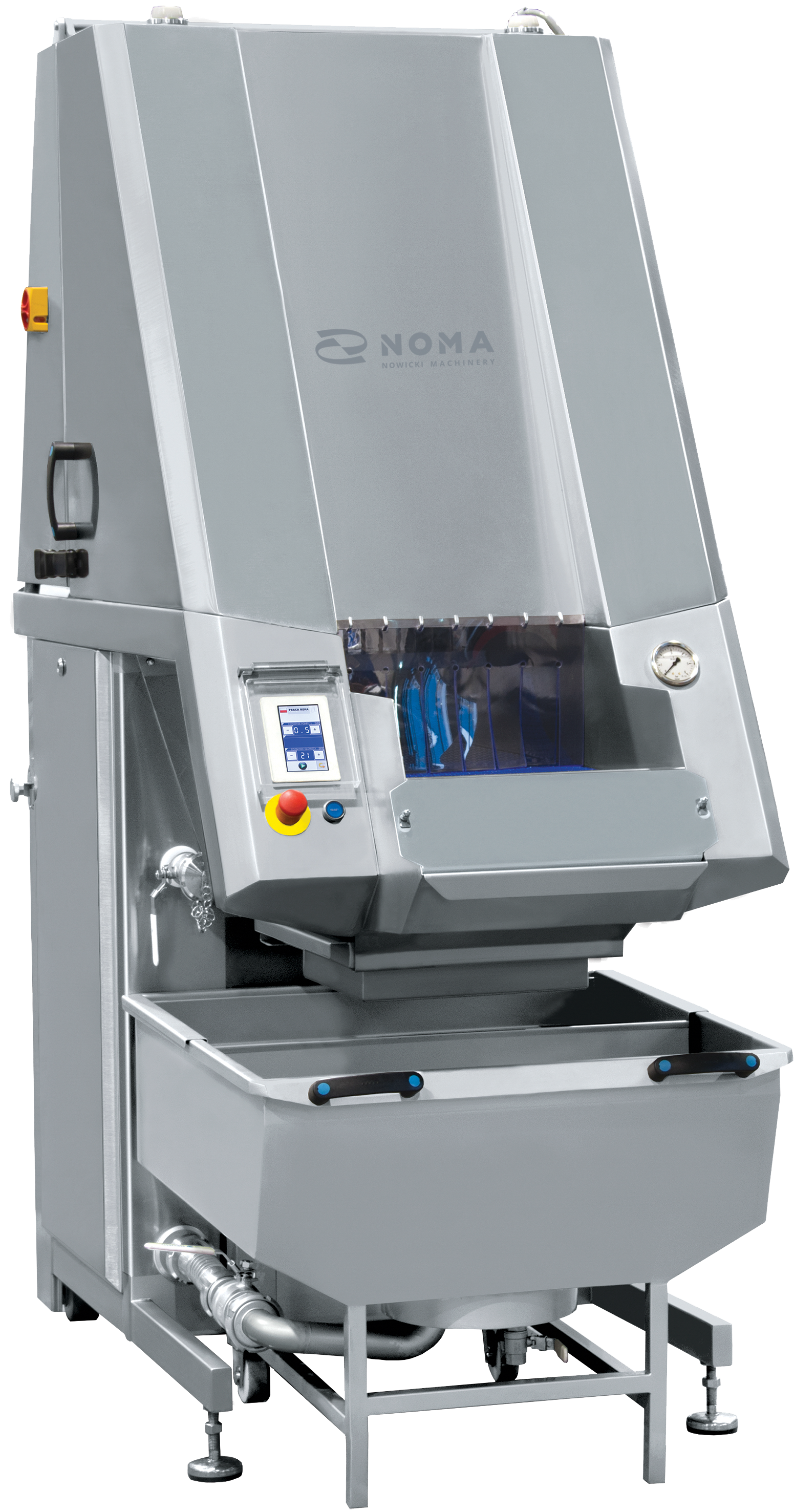
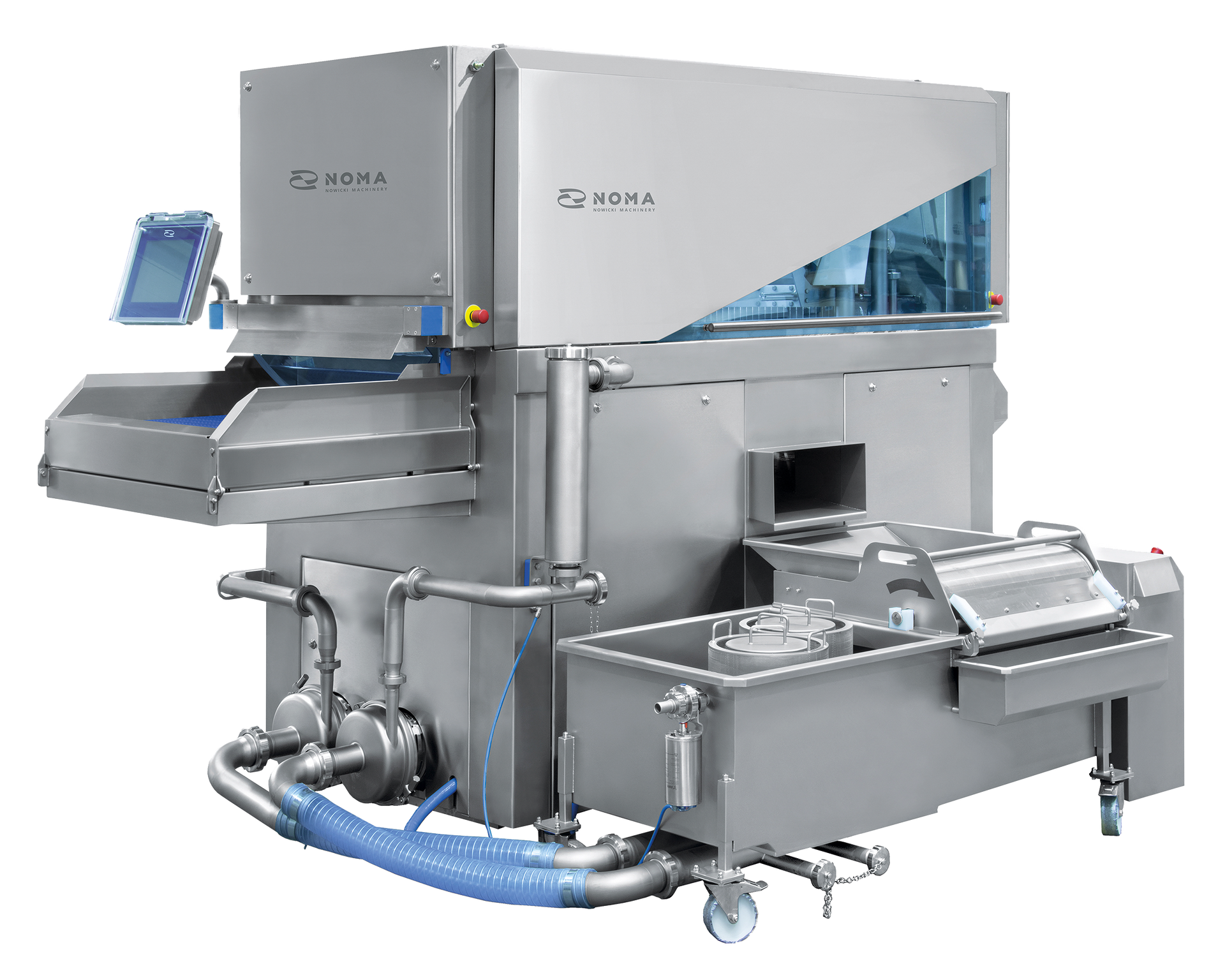
Introduction to Industrial Brine Injectors
What is an industrial brine injector and how does it work?
An industrial brine injector is a specialized piece of meat processing equipment designed to infuse meat and seafood products with a precisely controlled solution of brine—typically a mixture of water, salt, seasonings, and sometimes curing agents. These machines use a series of fine needles to inject the brine directly into the muscle tissue of proteins, ensuring even distribution throughout the product. The process is automated, allowing for high-volume, consistent, and repeatable results that are essential in modern food production environments. BAK Food Equipment offers a range of mechanical brine injectors and SAS (servo-driven) brine injectors, each engineered for accuracy and efficiency in large-scale operations.
Why is brine injection essential for large-scale meat and seafood processing?
Brine injection is critical in industrial food production for several reasons. First, it significantly improves flavor consistency and moisture retention, which are key to delivering a high-quality eating experience. By injecting brine directly into the product, processors can achieve uniform seasoning and juiciness that would be difficult to replicate with manual injection methods. Additionally, brine injection increases product yield by helping proteins retain more water during cooking, which is especially valuable in commercial settings where maximizing output is crucial. The automation provided by industrial brine injectors also speeds up production, reducing labor costs and minimizing the risk of human error.
What industries and product types benefit from brine injection?
Industries that benefit most from brine injection include meat processing and seafood processing, where consistency, efficiency, and food safety are paramount. Typical products enhanced by brine injection systems include poultry, pork, beef, fish, and shellfish. These systems are also widely used in the production of deli meats, hams, bacon, and marinated seafood products. Beyond flavor and yield, brine injection supports regulatory and quality control requirements, helping processors meet USDA and FDA food safety standards by ensuring thorough and uniform distribution of curing and preservation agents. The integration of protein injection and food production automation further streamlines operations, making brine injectors an indispensable tool in modern food manufacturing.
Key Features of BAK Food Equipment Brine Injectors
What makes BAK brine injectors stand out in the market?
BAK Food Equipment brine injectors are engineered for industrial-scale meat and seafood processing, offering a combination of durability, precision, and hygiene. Their heavy-duty design ensures reliable, continuous operation in demanding environments, making them a preferred choice for processors seeking consistent results. BAK’s brine injectors are available in both mechanical and SAS models, each tailored to meet specific production needs. The robust construction and advanced engineering set BAK injectors apart, supporting high-capacity processing while maintaining product quality and food safety compliance.
How do features like adjustable injection pressure, needle configurations, and sanitary design benefit processors?
BAK brine injectors are equipped with adjustable brine flow and injection pressure controls, allowing processors to fine-tune the amount of brine delivered to each product. This level of control is essential for achieving precise injection percentages, which directly impacts flavor, texture, and yield. Multiple needle configurations are available to accommodate a variety of proteins, including poultry, pork, beef, and fish, ensuring optimal brine distribution regardless of product type. For sanitation, BAK injectors are designed with easy access in mind to streamline cleaning processes and support rigorous food safety compliance. These features collectively enhance operational efficiency and product consistency.
What capacities and configurations are available?
BAK Food Equipment offers brine injectors in a range of capacities and configurations to suit different production scales and facility layouts. From compact models for smaller operations to high-throughput machines for large-scale processors, BAK provides solutions that fit diverse needs. The machines are designed with various footprints to integrate seamlessly into existing production lines, and their modular construction allows for customization based on throughput requirements. Whether processors need a standard multi-needle injector for high-speed operations or a specialized configuration for unique products, BAK’s portfolio ensures there is a suitable option for every application.
By utilizing mechanical or servo-driven brine injectors processors can achieve high-capacity processing capabilities. BAK Food Equipment delivers reliable, efficient, and hygienic solutions for modern protein injection systems.
Applications in Meat & Seafood Processing
Which products can be processed with a brine injector?
Brine injectors from BAK Food Equipment are designed to handle a wide range of protein products, making them a versatile solution for meat and seafood processors. Common applications include bacon, poultry, ham, corned beef, and fish. These machines are also suitable for other proteins such as pork loins, beef briskets, and various seafood items. The flexibility of BAK’s brine injectors allows processors to work with both fresh and frozen-thawed products, as well as different cut sizes, ensuring adaptability across diverse production needs.
How does brine injection impact product yield and quality?
Brine injection plays a critical role in yield optimization and product quality. By introducing a controlled amount of brine solution directly into the muscle tissue, processors can achieve consistent brine distribution for uniform curing and flavoring. This process not only enhances the taste and appearance of the final product but also improves moisture retention. The result is a juicier texture, extended shelf life, and reduced cooking losses, all of which contribute to higher product yields and improved profitability for processors.
Can the same machine handle multiple protein types?
BAK Food Equipment’s brine injectors are engineered for flexibility, allowing the same machine to process multiple protein types with minimal adjustments. Whether switching from bacon to poultry or from ham to fish, the equipment is designed to accommodate different brine formulations and injection patterns. This adaptability is essential for processors who handle a variety of products, as it streamlines operations and reduces the need for multiple specialized machines. The robust design and easy-to-clean features further support efficient changeovers between different protein processing applications.
By leveraging advanced brine injection technology, processors can ensure consistent quality, maximize yield, and maintain the versatility needed to meet evolving market demands in protein processing.
Advantages Over Traditional Brining Methods
Why choose industrial injection over hand injection or immersion brining methods?
Industrial brine injection offers significant advantages compared to traditional methods like hand injection or immersion. With brine injectors, such as those provided by BAK Food Equipment, the brine solution is automatically delivered directly into the interior of meat or seafood products. This automated and direct approach ensures a deeper distribution of flavor and moisture, resulting in consistent product quality across large production runs. In contrast, hand injection is highly manual and requires operators to choose injection points, how deep to inject, and volume of brine. The result is large product variability from batch to batch and lower overall product quality. Also, throughput is a lot lower with manual injection and requires more manual labor than industrial brine injectors. Immersion relies on surface absorption which can lead to uneven brine uptake and variable results. Injection also allows for precise control over the amount of brine introduced, supporting cost efficiency and reducing waste. For processors seeking to enhance industrial marination and automated brining, injection is a superior choice for both quality and efficiency.
How does brine injection reduce processing time and labor?
Brine injection dramatically reduces the time required for brine uptake compared to hand injection or soaking. Hand injection is a very manual process which leads to lower throughput compared to industrial brine injectors. Traditional soaking methods can take several hours or even overnight to achieve the desired flavor and moisture levels, while brine injectors can accomplish the same in a matter of minutes. This accelerated process not only boosts production efficiency but also minimizes manual handling, which improves worker safety and hygiene. Automated brining equipment from BAK Food Equipment is designed for repeatability and ease of use, allowing operators to handle larger volumes with less physical effort. The reduction in labor requirements translates to significant labor savings and supports a safer, more hygienic processing environment. For facilities focused on scaling up production while maintaining consistent product quality, mechanical brine injection is an essential upgrade.
Choosing the Right Model for Your Plant
What factors should be considered when selecting a brine injector?
When selecting a brine injector for your plant, it’s important to match the machine’s capacity to your production needs. Consider the volume of meat or seafood you process daily and choose a model that can handle your throughput without causing bottlenecks. Stainless steel construction and washdown design are essential for food safety and ease of cleaning, ensuring compliance with sanitation standards. Additionally, make sure the brine injector is compatible with your existing processing lines and conveyors to streamline integration and minimize downtime.
How do different capacities, needle types, and automation levels fit different operations?
Brine injectors come in a range of capacities and configurations to suit diverse operational needs. High-capacity models are ideal for large meat processing plants where maximizing throughput is a priority. These machines often feature multiple heads of needles and advanced automation, allowing for consistent brine distribution and reduced labor requirements. For smaller or specialty processors, lower-capacity injectors provide the flexibility to handle a variety of products and batch sizes.
Needle type and configuration play a significant role in achieving the desired brine distribution and product texture. For example, fine needles are suitable for delicate seafood, while larger, robust needles are better for whole muscle meats. Level of control also varies from servo-driven models where processors can set variable production parameters for each product to mechanical injectors that have multiple distinct settings for each processing parameter. Automated brining equipment not only improves consistency but also enhances food processing ROI by reducing labor costs and minimizing product waste.
Ultimately, the right brine injector should align with your plant’s operational goals, product mix, and budget. By carefully evaluating brine injector specifications, production line integration, and the potential for yield improvement versus equipment cost, you can make an informed investment that supports both immediate and long-term success.
Maintenance, Cleaning, and Food Safety Compliance
How should brine injectors be cleaned and maintained in a commercial setting?
Proper cleaning and maintenance of brine injectors are essential for ensuring food safety, equipment longevity, and consistent product quality. In a commercial setting, daily cleaning protocols must be established to meet USDA/FDA and HACCP compliance requirements. This typically involves removing needle heads from the brine injector machine and using approved sanitation procedures to remove protein residues and brine solution. Special attention should be paid to the needles and internal channels, as these areas are prone to clogging and can harbor bacteria if not properly cleaned. Preventing clogging and needle damage is critical; operators should inspect needles for blockages or wear and replace damaged parts promptly to avoid compromising food safety standards and product consistency.
Why Partner with BAK Food Equipment
What does BAK offer beyond just the equipment?
When you choose BAK Food Equipment, you gain more than access to high-quality food processing solutions—you gain a true partner dedicated to your success. BAK’s team of industry experts provides personalized consultation to help you select the right brine injector or related equipment for your specific application, whether you process meat, seafood, or other proteins. This expert guidance ensures that you invest in the most effective and efficient solution for your production needs, maximizing both product quality and operational efficiency.
How does BAK support processors before and after installation?
BAK Food Equipment is committed to supporting processors at every stage of the equipment lifecycle. Before installation, BAK’s specialists work closely with your team to understand your unique requirements and recommend the optimal model and configuration. During installation, BAK provides hands-on support to ensure seamless integration into your production line. Comprehensive training is offered to your staff, empowering them to operate and maintain the equipment with confidence.
After installation, BAK’s commitment continues with ongoing technical support, access to spare parts, and responsive service to minimize downtime. Our proven track record serving meat and seafood processors nationwide demonstrates dedication to long-term partnerships. With BAK, you benefit from reliable equipment service and maintenance, ensuring your operations run smoothly and efficiently for years to come. This level of industrial equipment support makes BAK a trusted partner for meat plant partnerships and food processing operations of all sizes.
For more information on how these brine injectors can be applied to your specific products, visit our
Applications page. If you require ongoing support or maintenance, our
Service team is ready to assist you.
Brine Injector Model FAQs
What’s the main difference between the MH and MHM series?
The primary distinction between the MH and MHM series brine injectors lies in their drive systems and intended production scale. The MH series is servo-driven, delivering maximum precision, speed, and capacity, making it ideal for large-scale meat processing plants that require high throughput and advanced program flexibility. In contrast, the MHM series is mechanically driven, offering a simpler operation and a more cost-effective solution for small to medium-volume processors who do not require the highest level of automation.
Which brine injector is best for fish and seafood?
For large seafood processors, the MH 660 and MH 1480 models stand out as the best options. These brine injector machines are specifically designed for fish products, ensuring optimal brine distribution and product integrity. The MHM series can also process fish and seafood well, and is better suited for operations with lower throughput requirements.
Can both models handle bone-in products?
Yes, both the MH and MHM series are engineered to process a wide range of products, including bone-in and boneless meats, poultry, and seafood. This versatility makes them suitable for diverse applications in meat and seafood processing environments.
How do they differ in cleaning and maintenance?
Both the MH and MHM series are built entirely from stainless steel and are wash-down proof. Cleaning and maintenance are straightforward, thanks to the removable needle heads and sockets. This design allows for quick disassembly, thorough cleaning, and easy reassembly, minimizing downtime and supporting food safety standards. Routine maintenance tasks are simplified, helping processors maintain peak performance and extend equipment lifespan.
Which option is better for a high-production meat plant?
For high-production meat plants, the MH series is the preferred choice. Its servo-driven system provides superior throughput, precision injection, and flexible programming, all of which are critical for large-scale operations. The MHM series remains a strong, cost-effective option for medium-volume facilities that do not require the advanced automation and capacity of the MH series.
